
Is Frost on My Heat Pump Normal?
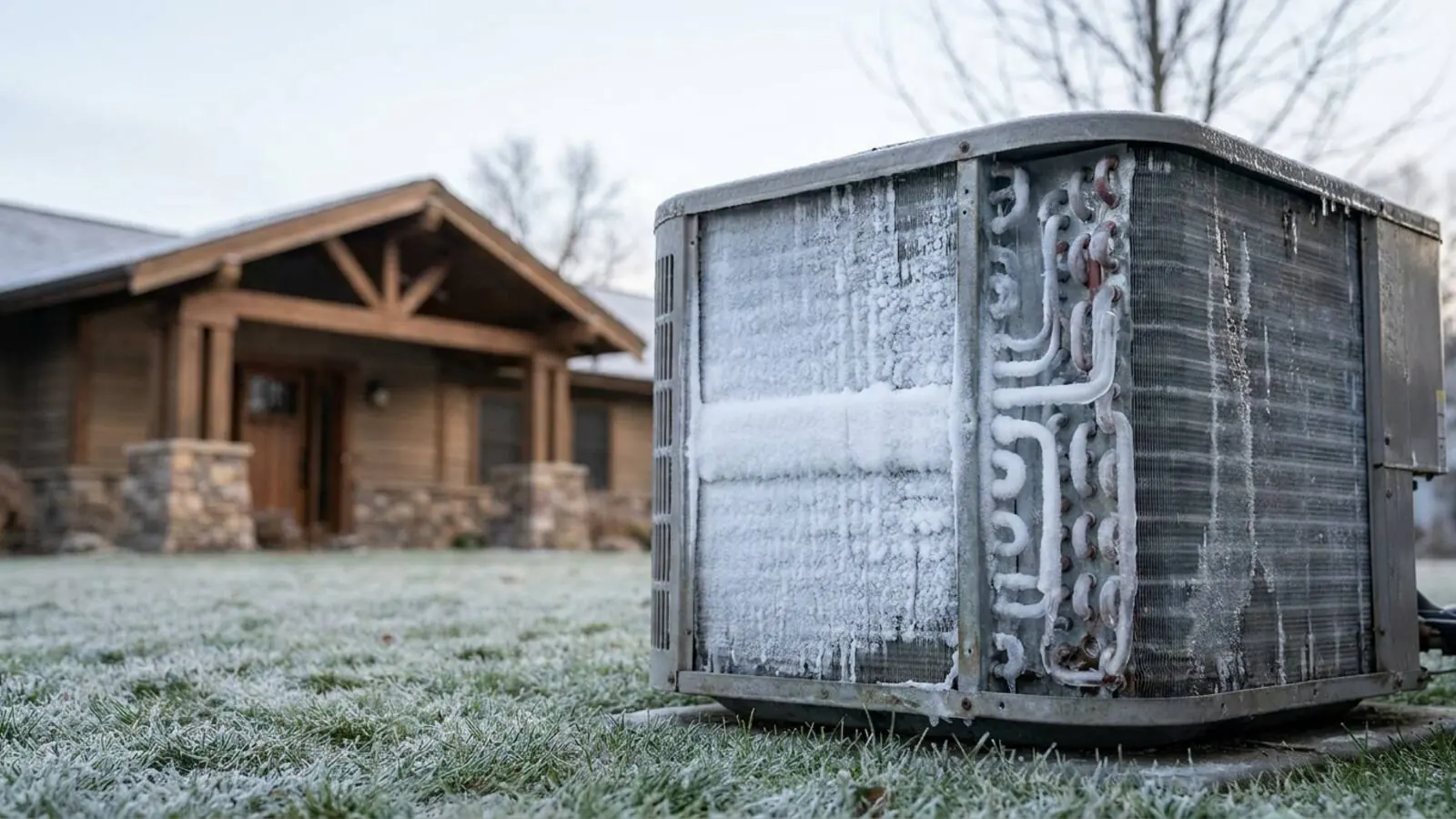
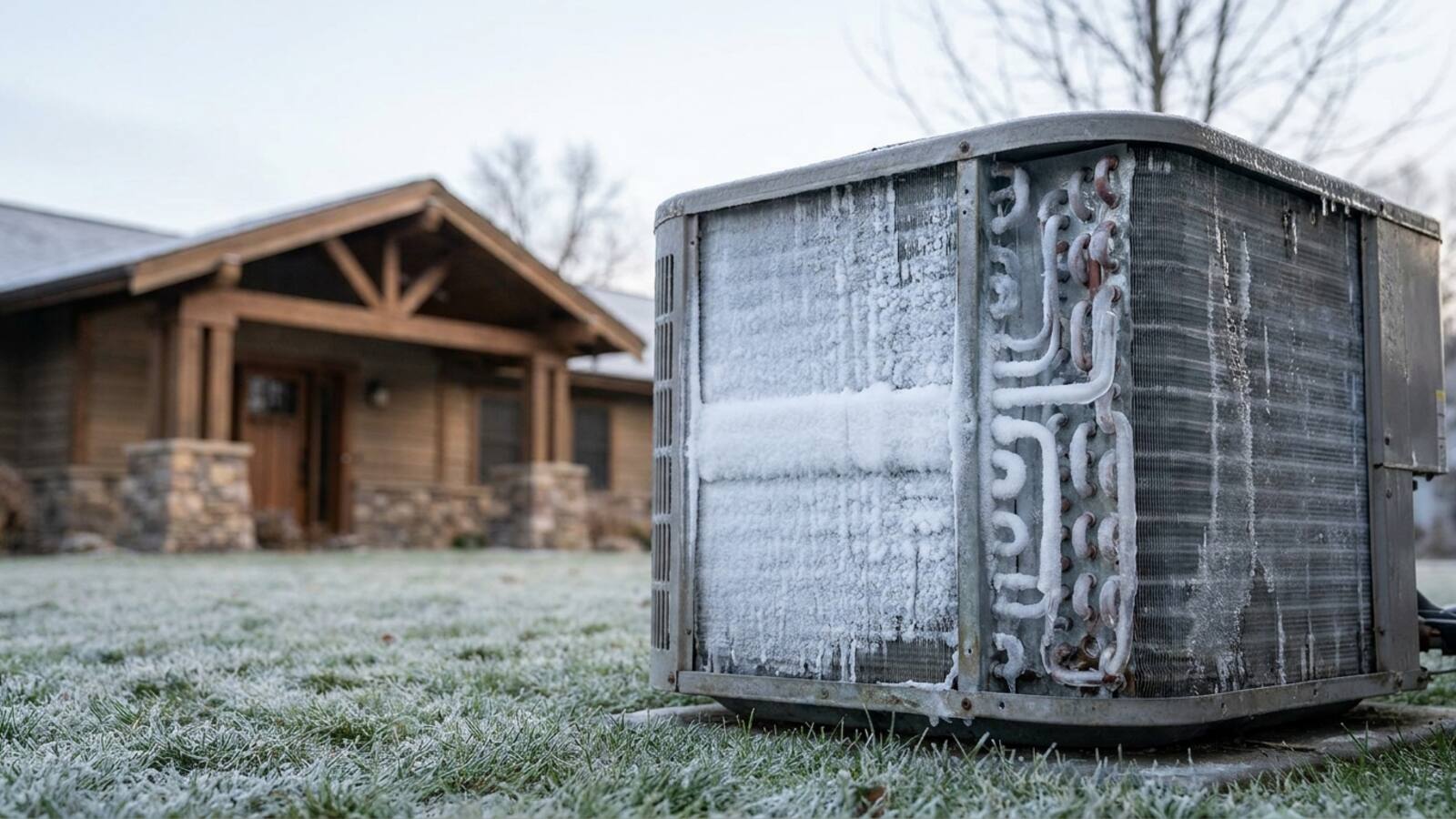
Yes, some of the time — and it surprises a lot of homeowners the first winter they own one. A heat pump makes heat by pulling warmth out of outdoor air, even air that's 35°F and damp, which describes most Puget Sound mornings from November through February. Moisture in that air condenses on the outdoor coil and freezes, the same way frost forms on a cold car windshield. Your system is built to handle this: it runs a short defrost cycle, briefly reversing itself to melt the frost off the coil before going back to heating your home. If you've called us worried your heat pump is broken and it turned out to just be a normal defrost cycle, you're not the first — and you won't be the last.
What Does a Normal Defrost Cycle Look Like?
A defrost cycle typically runs every 30 to 90 minutes when conditions call for it, and lasts somewhere between 5 and 15 minutes. During that window, three things happen that can look like a malfunction but aren't:
- The outdoor fan stops while the system reverses to send warm refrigerant through the outdoor coil.
- Indoor air may blow cool for a few minutes — some systems briefly pause the indoor fan or run backup heat to avoid this, others don't.
- Steam rises off the unit as the melted frost hits the air. This is the part that generates the most panicked phone calls, and it's also the most normal part of the whole cycle — it's water vapor, not smoke, and it means the defrost is doing exactly what it's supposed to.
Once the coil is clear, the system reverses back to heating mode and the outdoor fan kicks back on. If that's the pattern you're seeing — frost, a brief cycle, steam, clear coil, back to normal — your heat pump is behaving correctly and doesn't need a service call.
What Does Abnormal Icing Actually Look Like?
The line between normal and not-normal isn't always obvious from a quick glance out the window, so here's what separates a defrost cycle from a real problem:
- Duration. Normal frost clears within a 5–15 minute defrost cycle. A real problem looks like ice that's been sitting for hours, or that's still there the next time you check.
- Coverage. Light frost on the coil fins is normal. A solid block of ice encasing the whole unit, including the fan and housing, is not.
- Recurrence. Normal defrost happens, clears, and the unit runs fine for another 30–90 minutes. Abnormal icing comes right back within minutes of a defrost finishing, sometimes before the cycle even completes.
- Source. A sheet of ice building specifically under a roofline, gutter, or downspout is a drainage problem, not a defrost problem — water is dripping onto the unit and refreezing faster than the system can keep up.
If what you're looking at matches the second half of any of those, it's time to stop running the system and get it looked at — not chip away at it yourself.
What Causes a Heat Pump to Freeze Solid?
When icing goes past normal defrost, it's almost always one of these:
Low refrigerant. A heat pump never "uses up" refrigerant — if the charge is low, it leaked. Low refrigerant drops the coil's surface temperature below what the defrost cycle is designed to handle, and ice builds faster than the system can clear it. This is one of the more common causes of persistent icing and needs an EPA-licensed technician to find the leak and recharge the system.
Dirty or blocked coil. Dust, pollen, cottonwood fluff, and grass clippings build up on the outdoor coil over a season and choke the airflow the coil needs to shed heat properly. A coil that can't breathe ices over more easily and defrosts less effectively. Annual coil cleaning is cheap insurance against this.
Blocked airflow around the unit. Heat pumps need clearance on all sides — leaves, snowdrifts, overgrown shrubs, or a fence built too close all restrict the airflow the system depends on, and restricted airflow shows up as icing.
Failing defrost control or sensor. The defrost cycle is triggered by a sensor reading coil temperature and a control board deciding when to run it. When either drifts out of spec, defrost cycles run too infrequently, too briefly, or not at all — and ice wins.
Weak or failed outdoor fan motor. The fan pulls air across the coil during normal operation. A fan running slow, or not running at all, starves the coil of airflow the same way a blocked unit does — and the ice pattern looks similar from the outside.
Gutter or roofline drainage. This one isn't a heat pump problem at all — it's a house problem. Water dripping from an unguttered roof edge or a downspout aimed at the unit freezes on contact in cold weather, building a sheet of ice that has nothing to do with the system's defrost cycle and everything to do with where the water's landing.
Not Sure Which One It Is?
Frost that won't clear, ice that keeps coming back, or a unit that's just stopped heating — get it diagnosed by the people whose name is on the truck. A real answer and a real price.
Can I Chip the Ice Off Myself?
No — and this is the one piece of advice worth remembering even if you skip the rest of this article. The coil fins on a heat pump are thin, soft aluminum, designed to transfer heat efficiently, not to survive a screwdriver or an ice scraper. Chipping or prying at ice bends and tears those fins in a way that permanently hurts airflow and efficiency, and what started as a defrost problem turns into a coil replacement.
What you can safely do while you wait for it to clear or for a technician to arrive:
- Turn the system off rather than running it iced over — continuing to run a heavily iced unit stresses the compressor and other components.
- Clear loose leaves, snow, and debris from around the base of the unit by hand, without touching the coil fins themselves.
- Check for a gutter or downspout draining onto the unit and note it — that's a fix for your roofline, not the heat pump.
- Let it melt naturally or call a technician. Pouring hot water on it isn't recommended either — it can refreeze in exactly the wrong places and adds risk around electrical components.
What Does It Cost to Fix a Frozen Heat Pump?
Here's the honest range for icing-related repairs across the Puget Sound area:
| Cause | Typical Repair Cost |
|---|---|
| Dirty coil / blocked airflow (cleaning, clearance) | $150 – $400 |
| Weak or failed fan motor | $300 – $900 |
| Failing defrost control or sensor | $200 – $700 |
| Refrigerant leak (find + repair + recharge) | $500 – $1,500 |
| Full system replacement (older systems past repair) | $10,000 – $16,000 |
Premium markets like Bellevue or Gig Harbor run $200–$2,000 across the same repair categories. And the same rule applies here as with any heat pump repair: if your system is 10 to 12+ years old and the repair quote is over about $1,000, it's worth getting a replacement quote before you commit to the repair — especially since repeated refrigerant leaks on an aging coil tend to come back. For a full walkthrough of other symptoms and their fixes, see our guide to a heat pump that's not heating.
When Should You Call a Professional?
Call sooner rather than later if you're seeing any of these: ice that's still there hours after it should have cleared, ice that rebuilds within minutes of a defrost cycle finishing, a unit that never seems to run a defrost cycle at all despite visible frost, or a sheet of ice clearly tied to a gutter or roofline drip. None of those resolve themselves, and running the system through repeated freeze cycles puts real wear on the compressor and fan motor — the two most expensive components to replace.
From a real review: "The service was fast, the team was competent and not overly salesy. Rapid response and same-day repair of our heat pump." — Scott D., Federal Way. That's the standard for an icing call: a real diagnosis of what's actually wrong, not a guess.
How Do I Prevent This Next Winter?
A few habits go a long way toward keeping ice off your heat pump through a Puget Sound winter:
- Keep 18–24 inches of clearance around the outdoor unit on all sides — trim back shrubs and clear leaves and snowdrifts before they build up against it.
- Change your indoor filter every 1–3 months. A clogged filter restricts airflow through the whole system, not just the outdoor unit, and that shows up as icing too.
- Check your gutters and downspouts before winter hits — redirect anything draining toward the unit.
- Get annual maintenance. A slow refrigerant leak, a coil that needs cleaning, or a defrost sensor drifting out of spec are all things a technician catches during a routine visit — long before they turn into a block of ice on a January morning.
We run service calls Monday through Friday, 8:00 AM to 6:00 PM, and can typically get to you the same week — often within a day or two. If your heat pump is iced over and staying that way, call (253) 785-4622 or get a free estimate and we'll tell you straight what's actually wrong.
Frozen Heat Pump FAQs
A light coating of frost on the outdoor unit is normal, especially on cold, damp Puget Sound mornings, and your system clears it with a short defrost cycle. A heat pump encased in a solid block of ice for hours, or ice that comes right back after every defrost, points to a real problem — low refrigerant, a blocked or dirty coil, a failing defrost control or sensor, a weak fan motor, or water dripping onto the unit from a gutter and refreezing. That needs a technician, not a chisel.
Some frost is normal. Heat pumps pull warmth from outdoor air even in cold, damp conditions, and moisture in that air condenses and freezes on the coil. The system runs a defrost cycle every 30 to 90 minutes when needed, briefly reversing to melt the frost — you'll often see a cloud of steam, which is the system working correctly, not smoke. What's not normal is frost that never fully clears, or ice that builds back within minutes of a defrost cycle finishing.
No. The coil fins are made of thin, soft aluminum, and chipping or prying at ice bends and tears them in a way that hurts airflow and efficiency permanently — often turning a repair into a coil replacement. What you can safely do: clear leaves and debris from around the unit so it has open airflow, check that a gutter or roofline isn't dripping directly onto it, and turn the system off rather than running it iced over. Let the ice melt on its own or call a technician.
In the Puget Sound area, most heat pump repairs — including icing-related issues like a failed defrost control, a low-refrigerant leak, or a weak fan motor — run $150 to $1,500, closer to $200 to $2,000 in premium markets like Bellevue or Gig Harbor. A refrigerant leak that's causing the coil to ice over typically lands mid-range once it's found and repaired. If the system is 10 to 12+ years old and the repair quote is over about $1,000, it's worth getting a replacement quote too.
Keep at least 18 to 24 inches of clearance around the outdoor unit, cut back plants and clear leaves and snow so airflow stays open, change your indoor filter every 1 to 3 months, and check that no gutter or downspout drains onto the unit. Beyond that, annual maintenance catches the issues homeowners can't see — a slow refrigerant leak, a coil that needs cleaning, or a defrost sensor drifting out of spec — before they turn into a solid block of ice on a January morning.