
When Does Switching to a Heat Pump Make Clear Sense?
This decision is mostly about timing. The same heat pump that's a great buy in one situation is a mediocre one in another — and the difference is almost always the furnace you already own. Four green lights:
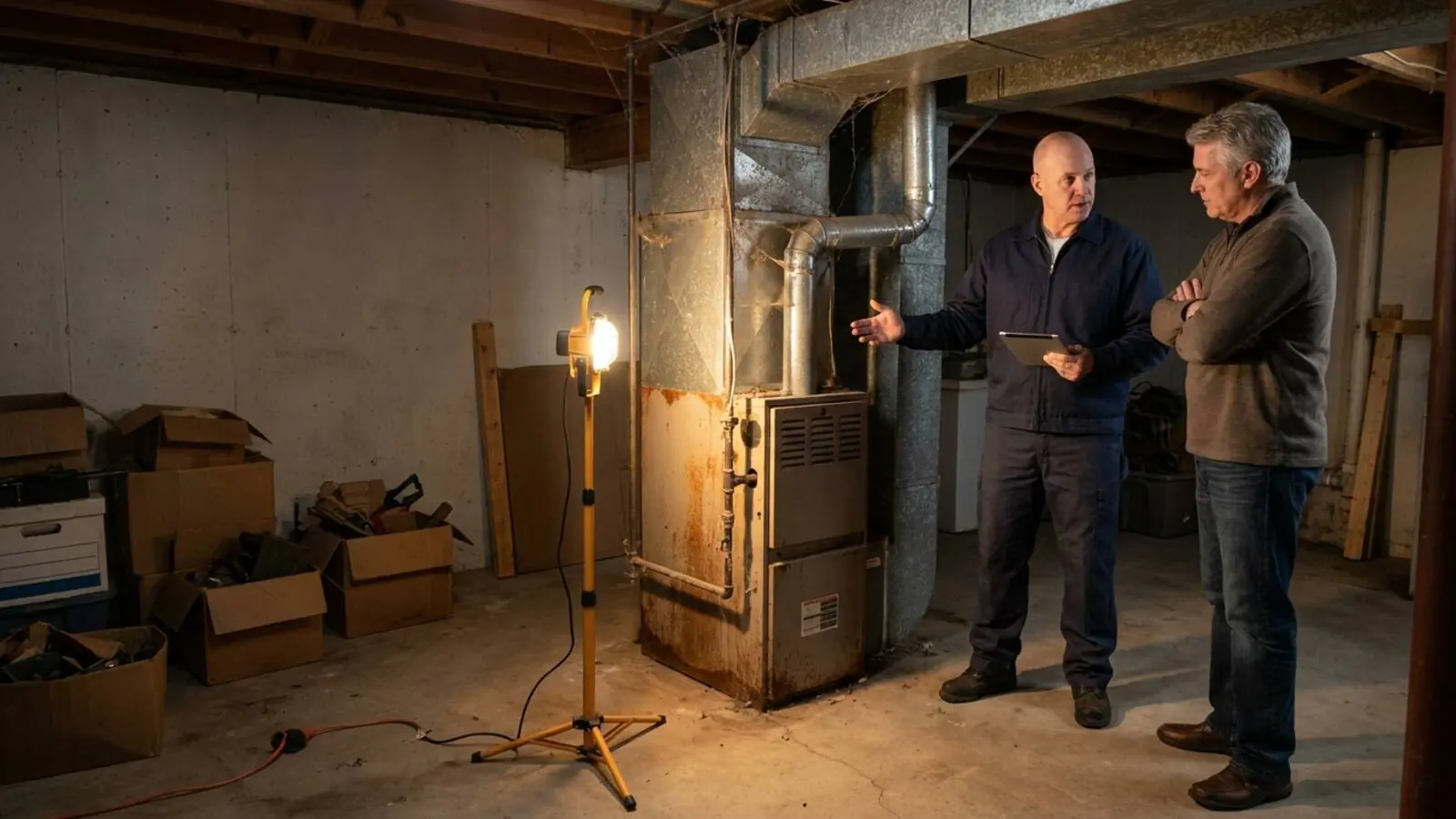
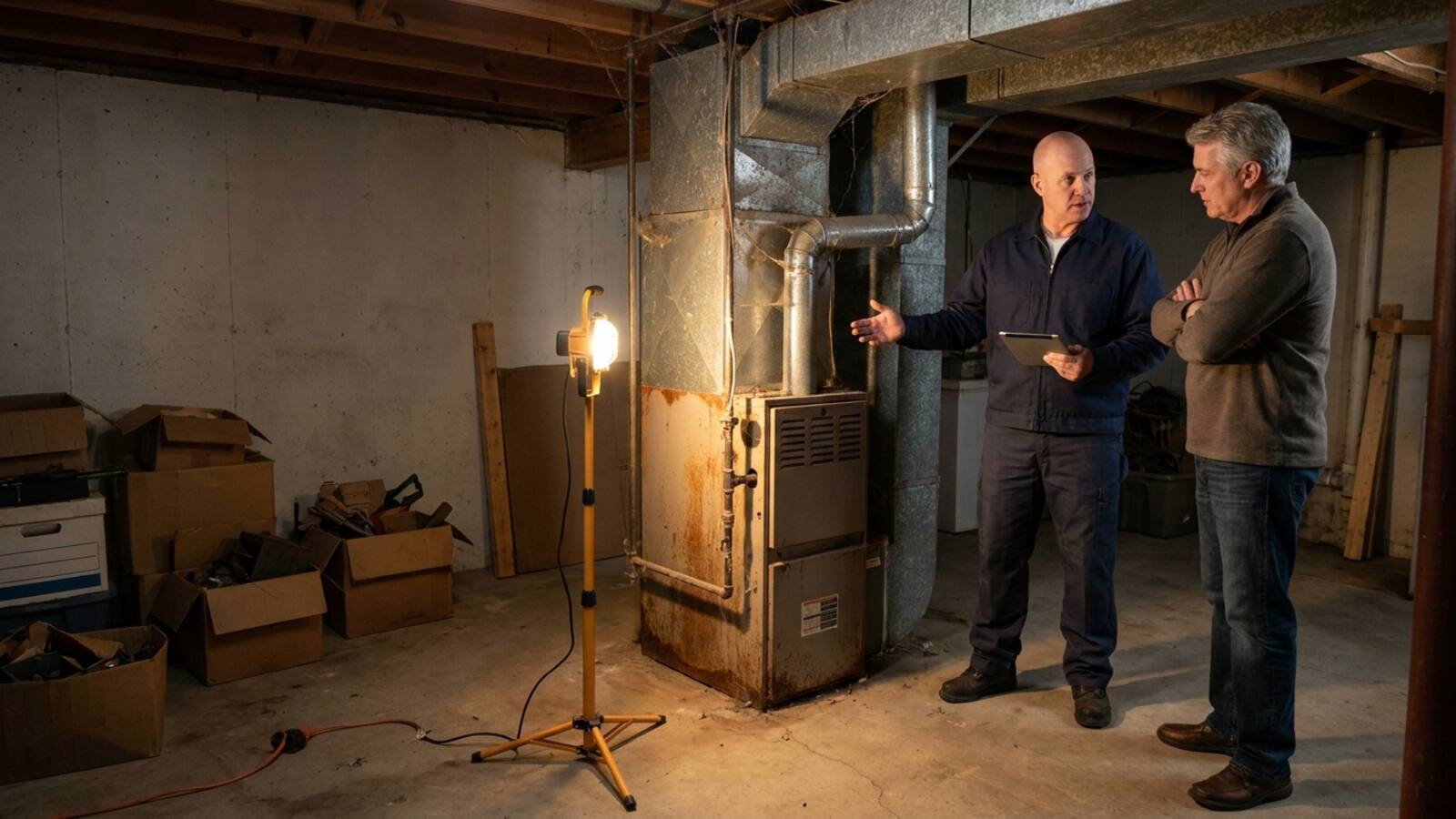
- Your furnace is 12+ years old. Gas furnaces typically last 15 to 20 years. Past the 12-year mark you're in the replacement window — repairs get more frequent, and you're going to spend real money on heating equipment soon no matter what you do. That's exactly when conversion math is at its best, because you're comparing a heat pump against the cost of a new furnace, not against zero.
- You don't have AC and you want it. A ducted heat pump is an air conditioner — the same equipment runs in reverse in winter. If your plan was "new furnace now, add cooling someday," one heat pump covers both purchases with one outdoor unit and one install.
- You're planning to get off gas. If your household goal is all-electric — for the bills, the emissions, or just to stop paying two utilities for one house — the furnace's end of life is the cheapest moment to make the move.
- You're income-qualified for a utility gas conversion rebate. Several electric utilities here pay their largest rebates to income-qualified customers converting from gas heat to a qualifying heat pump. That single line item can close most of the gap between a furnace swap and a full conversion.
Hit two or more of those and the answer is usually yes. Hit none of them? Keep reading — the next section is for you.
When Should You Keep the Furnace You Have?
Here's the part most HVAC websites won't print: sometimes the right answer is don't switch yet.
If your furnace is under 10 years old and running well, ripping out working equipment rarely pencils. You'd be scrapping years of remaining service life to buy savings that arrive slowly — Western Washington gas rates make the operating-cost gap real but not dramatic. The better play is usually to run the furnace toward end of life and convert when replacement is on the table anyway. We've told plenty of homeowners exactly that on an estimate, and we'll tell you.
If the budget is genuinely tight, a like-for-like gas furnace replacement runs $4,000–$8,000 — roughly a third of a full conversion. If cooling isn't a priority and cash matters most right now, that's a legitimate choice, not a failure. A heat pump you can't comfortably afford is not a good heat pump.
There's also a middle path — the hybrid setup — which we'll get to below.
What Does It Cost to Convert From Gas to a Heat Pump?
Real installed ranges for the Puget Sound region in 2026, quoted in Good, Better, and Best equipment tiers:
| What You're Buying | Standard Homes | Larger / Premium Homes |
|---|---|---|
| Ducted heat pump (replaces furnace AND AC) | $12,000 – $18,000 | $14,000 – $24,000 |
| Like-for-like furnace swap (heat only, no cooling) | $4,000 – $8,000 | $5,000 – $10,000 |
| Ductwork repair or modification (only if needed) | $3,000 – $8,000 | $4,000 – $10,000 |
Two things to keep straight when you compare those rows. First, the $4,000–$8,000 furnace number buys you zero cooling. Add central AC separately later and you're into it for another $5,000–$12,000 — two projects, two installs, to do the job one heat pump does. The honest comparison is furnace-plus-AC against heat pump, and that comparison is much closer than it first looks.
Second, the ductwork row scares people more than it should. Most conversions reuse the existing ductwork — the duct system that fed your furnace generally works for a heat pump. We inspect it as part of every estimate; if it's sound, that row costs you nothing. Leaky, undersized, or crumbling ducts are a separate scope we price up front, not a surprise on install day. The full operating-cost math between the two fuels is in our heat pump vs. gas furnace comparison.
What Rebates Apply When You Convert From Gas?
This is where 2026 rewards gas converts specifically:
- Income-qualified gas conversion rebates. Local electric utilities reserve their biggest rebates for income-qualified customers replacing gas heat with a qualifying heat pump. On a $12,000–$18,000 install, one of those can cover a serious share of the bill — we tell you what yours pays before you commit.
- Programs change — verify before you sign. Rebate amounts and eligibility rules get revised. We confirm your current eligibility on every estimate and file the paperwork; don't budget around a number from an old blog post, including this one.
- Who installs it matters. Utility rebate programs pay out only through their own contractor networks, and those requirements get rewritten from year to year. Hire outside the program and the rebate isn't reduced — it's gone. We confirm the current requirements for your address before quoting rather than after.
- The federal 25C tax credit is dead. It ended December 31, 2025. Anyone promising you a federal tax credit on a 2026 install is either out of date or lying to close a sale.
The complete rundown — amounts, qualification, and how filing works — is in our local utility rebate guide.
Not Sure Which Way to Go?
Tell us about your furnace and your home. We'll give you an honest read — switch, hybrid, or wait — with a real price attached to each option.
What About a Hybrid — Keeping Gas as Backup?
You don't have to pick a side. A hybrid (dual-fuel) system pairs a heat pump with your gas furnace: the heat pump carries the load in normal Puget Sound weather — which is to say, roughly 90% of your heating hours — and the system switches to gas automatically on the coldest mornings. You set the switchover temperature once and then never think about it again.
Hybrids shine in two situations. If your furnace is newer but you want cooling and lower running costs now, a hybrid adds the heat pump without scrapping a working furnace. And if you like the idea of electrifying but aren't ready to cut the gas cord entirely, it's a genuine transition path — run hybrid for years, then go fully electric when the furnace finally ages out. It's one of the standard configurations we install, not an exotic special order.
What Happens to Your Gas Line?
Nothing dramatic, and don't let anyone tell you otherwise. Your gas line stays right where it is and keeps serving whatever else uses it — range, water heater, fireplace. Converting your heating doesn't obligate you to convert anything else, ever.
If the furnace was your only gas appliance, you can keep the account active or talk to your gas utility about your options on your own schedule. Either way, the project itself is simple: the furnace comes out, the heat pump goes in, and the rest of your house stays exactly as it was.
What Does Installation Day Actually Look Like?
A conversion done right follows a boring, predictable script — boring is what you want:
- Load calculation first. Before anything is ordered, we calculate what your home actually needs. A furnace-to-heat-pump conversion sized by square-footage guesswork is how you end up with a system that short-cycles or runs flat out.
- Permit included. HVAC replacements require permits in Washington. Ours is in the bid, filed for you — a quote that skips it is cutting a corner you'll rediscover at resale.
- Most installs finish in one day. Old furnace out in the morning, heat pump and air handler in, system commissioned and heating (and cooling) by evening. Ductwork modifications can add a day.
- 10-year parts AND labor warranty. Every Varsity installation carries it. Manufacturer base coverage alone typically leaves labor on your tab — ask any low bidder exactly what their warranty covers, in writing.
The Bottom Line
If your gas furnace is old, ailing, or you've been quoted a replacement anyway: switch. For $12,000–$18,000 you replace two systems at once, and an income-qualified utility rebate can knock a serious chunk off the top. If your furnace is young and healthy: go hybrid, or wait — and be suspicious of anyone who won't say so. We'll tell you which one you are before we quote you anything.
Furnace-to-Heat-Pump FAQs
If your gas furnace is 12 or more years old, you want air conditioning, or you're planning to move away from gas, the math usually favors switching when the furnace needs replacing anyway. A ducted heat pump runs $12,000 to $18,000 installed and replaces both your furnace and your AC. If your furnace is young and running well, a hybrid setup or simply waiting is often the smarter call.
Most Puget Sound homes pay $12,000 to $18,000 installed for a ducted heat pump, rising to $14,000 to $24,000 for larger homes and premium markets. A like-for-like gas furnace swap runs $4,000 to $8,000 but includes no cooling. Most conversions reuse the existing ductwork; if ducts need repair or modification, that adds $3,000 to $8,000.
Several local electric utilities run income-qualified rebates for households converting from gas heat to a qualifying heat pump, and what they pay depends on the utility, the household, and the equipment installed. Programs change and they pay out only through their own approved contractor networks, so we confirm the current rules for your address before quoting. The federal 25C tax credit ended December 31, 2025 and is no longer available.
Yes. A hybrid (dual-fuel) setup pairs a heat pump with your gas furnace: the heat pump handles roughly 90% of the heating hours, and the system switches to gas automatically on the coldest mornings. It's a good transition path if you're not ready to go all-electric, and it makes particular sense when your furnace still has years of life left.
No. Your gas line stays in place and keeps serving your gas range, water heater, or fireplace if you have them. Dropping gas heating doesn't require any dramatic changes to your home — the furnace comes out, the heat pump goes in, and everything else stays exactly as it was.