
Why Does This Question Come Up on Almost Every Estimate?
Somewhere around the time a homeowner starts pricing a heat pump installation, someone — a neighbor, a forum post, a competing bid — mentions that they'll probably need a new electrical panel too. It's a reasonable worry. A heat pump is a bigger electrical load than the gas furnace or baseboard heaters it might be replacing, and panel upgrades have a reputation for being an expensive surprise sprung on homeowners mid-project.
The reality is less dramatic. Most homes built or rewired in the last few decades already have a 100-amp or 200-amp panel with room to spare, and the electrical draw of a residential heat pump is smaller than people assume. We check every panel's actual available capacity as part of the free estimate for a heat pump or mini-split — it takes a few minutes and it's the only way to give you a real answer instead of a guess.
How Many Amps Does a Heat Pump Actually Draw?
This is the number that actually matters, and it's smaller than the horror stories suggest:
| System Type | Typical Circuit | Notes |
|---|---|---|
| Ducted heat pump | 30–40 amp, 240V | One dedicated circuit for the outdoor unit |
| Single-zone mini-split | 15–25 amp, 208/230V | One circuit per outdoor unit |
| Multi-zone mini-split | 20–30 amp, 208/230V | Draw scales with number of zones |
| Old electric furnace (for comparison) | Often 60–100 amp | Removing it can free up capacity |
Put a 30-to-40-amp heat pump circuit next to a 100-amp panel serving a typical home — lighting, outlets, a range, a water heater, maybe an EV charger — and there's usually room, provided the panel isn't already stacked with large loads. The exact amperage for any given unit is on its nameplate, and we size the circuit and breaker to the specific equipment we're installing, not a rule of thumb.
What Actually Forces a Panel Upgrade?
An upgrade isn't common, but it does happen. Four situations account for nearly all of them:
- The panel is genuinely full. No open breaker slots and no spare amperage — common in older homes that have added a hot tub, an EV charger, a shop, or a finished basement over the years without ever revisiting the panel.
- Very old fuse panels. Homes still running a 60-amp fuse box — not a modern circuit-breaker panel — typically need an upgrade regardless of what's being added, since 60 amps barely covers a modern home's baseline load.
- Multiple new loads at once. Adding a heat pump alongside an EV charger, a hot tub, or a home addition in the same project can push a marginal panel over the edge even if the heat pump alone wouldn't have.
- Replacing whole-home electric resistance heat with several large loads still active. If old electric baseboard or furnace circuits stay in place as backup rather than being removed, the panel has to carry both the old and new load.
Notice what's not on that list: simply having a 100-amp panel. A 100-amp panel with reasonable spare capacity handles a heat pump circuit without drama in the large majority of homes we quote.
Find Out for Sure — Free
Skip the guessing. Book a free estimate and we'll check your panel's actual capacity on site before you commit to anything, or get a fast instant estimate to start the conversation.
What Does a Panel Upgrade Cost If You Need One?
A straightforward 100-amp to 200-amp panel swap with a licensed electrician typically runs $2,000 to $4,500 in the Puget Sound region, covering the new panel, breakers, permit, and labor. That number climbs if the service line from the utility connection or the meter base also needs upgrading — which is more common on older homes with aging service equipment — and it climbs further if the panel has to be relocated.
Varsity is an HVAC contractor, not an electrical contractor — we don't perform panel upgrades ourselves. What we do is check your panel's real capacity during the free estimate, tell you honestly whether an upgrade is likely, and coordinate the electrical scope with a licensed electrician as part of your project if one is needed, so the heat pump installation and any panel work stay on the same timeline instead of becoming two disconnected headaches.
Does Removing an Old Electric Furnace Change the Math?
Often, yes — and usually in your favor. Old electric forced-air furnaces frequently sit on a 60-to-100-amp circuit of their own, which is a substantial chunk of a panel's total capacity. When that furnace comes out as part of a heat pump conversion, the capacity it was using gets freed up, and that can offset some or all of what the new heat pump circuit requires. This is one reason electric-resistance-to-heat-pump conversions — the exact case local utility rebates target — sometimes need no panel work at all, even though it seems like a bigger system is going in.
Do Utility Rebates Cover a Panel Upgrade?
Not directly. Local utility heat pump rebates are paid against the qualifying heat pump conversion itself, and current program rules don't reimburse separate panel work. Washington's HEAR program — targeted at households at or below 150% of area median income — has in some cases covered electrical upgrades necessary to support a qualifying heat pump, but rebate programs and funding levels change, so we confirm your specific eligibility on every estimate rather than promise a number that might be outdated. One thing that's no longer available regardless of the program: the federal 25C tax credit ended December 31, 2025.
How Do You Actually Find Out Without Guessing?
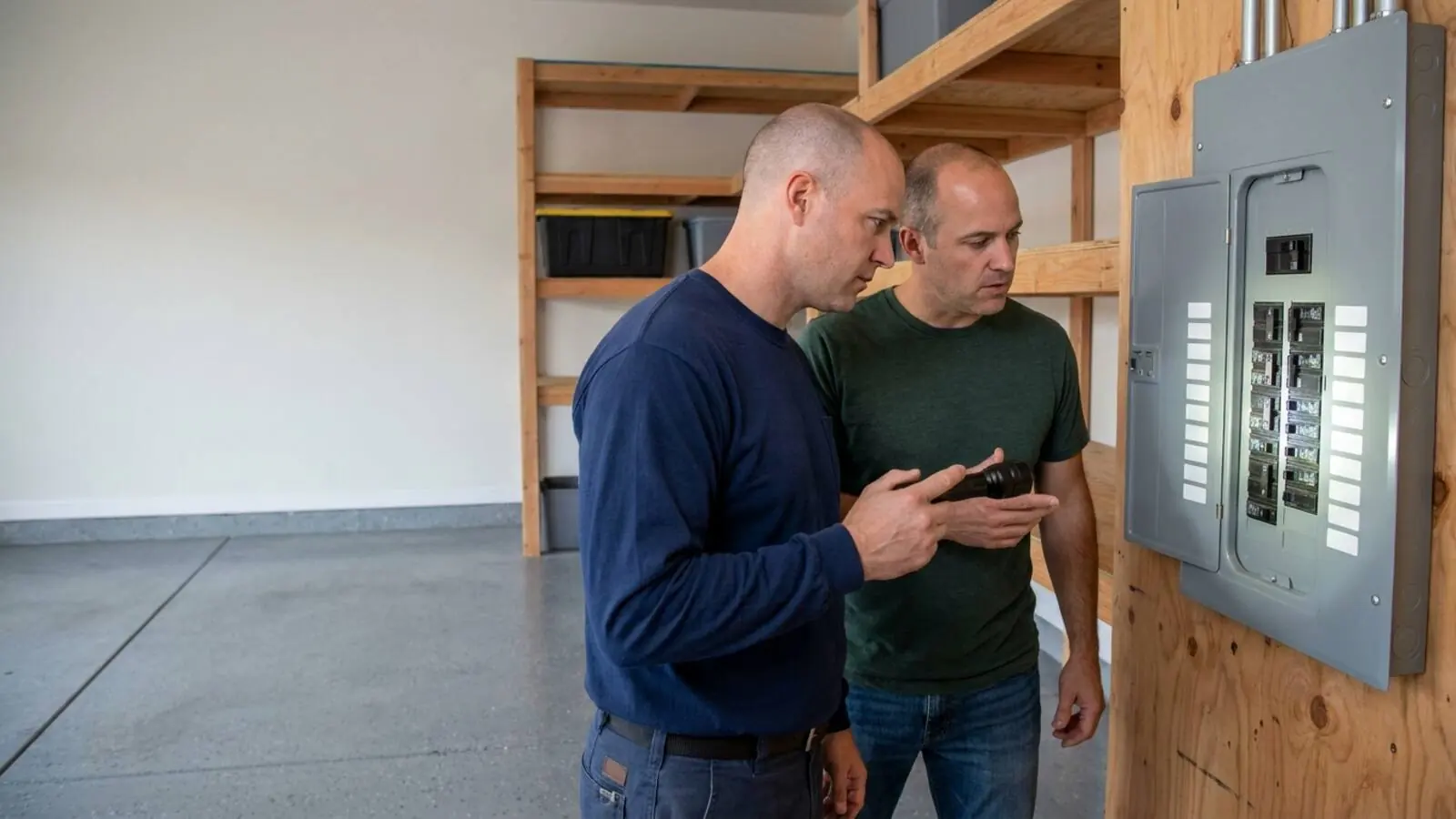
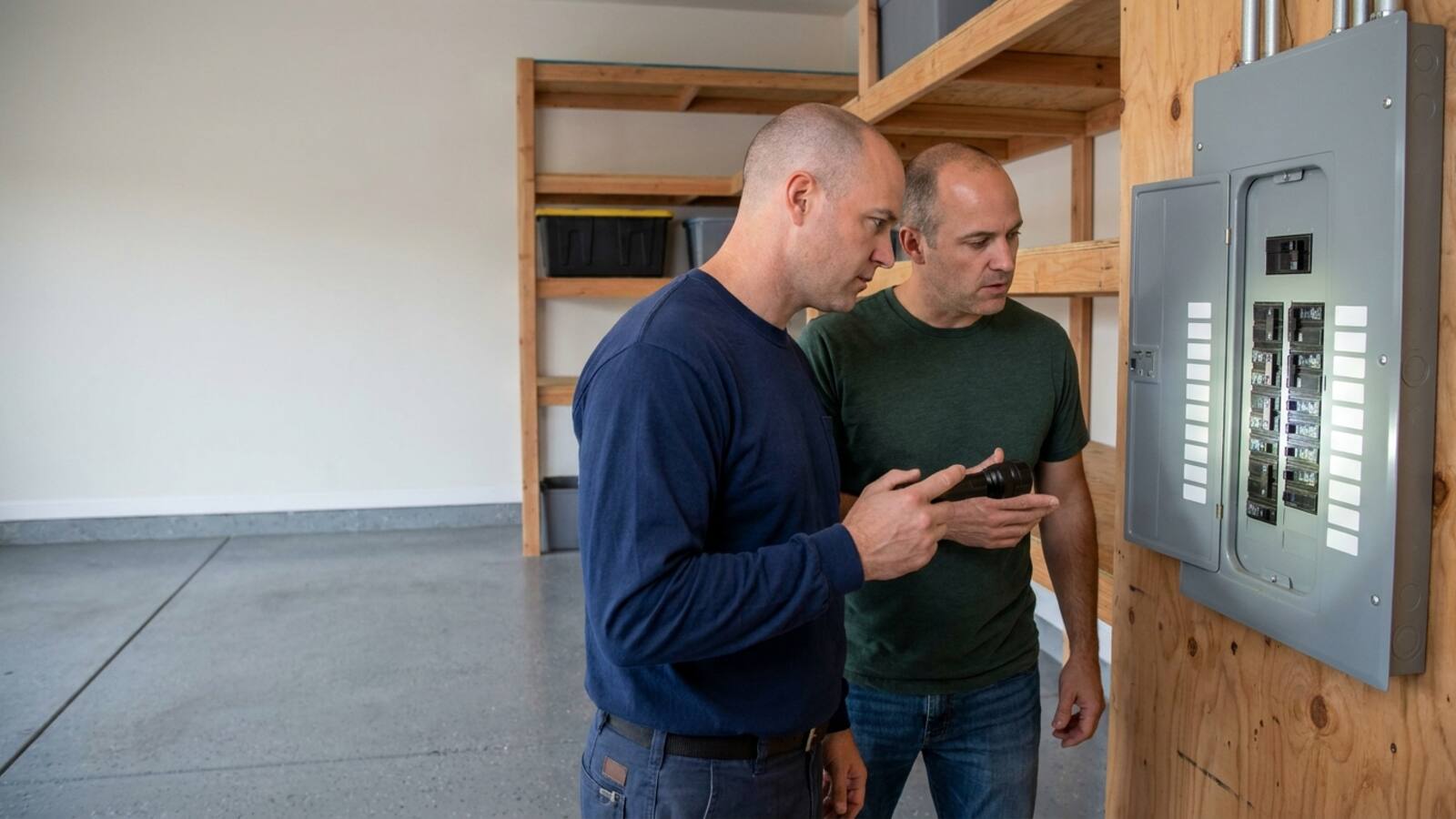
Short of an electrician opening the panel and doing the math, there's no reliable way to know from a forum post or a rule of thumb. What we look at during a free estimate: the panel's total rated amperage, how many breaker slots are open, what's already drawing power full-time (electric water heater, range, dryer, EV charger, hot tub), and the amperage the specific heat pump or mini-split we're quoting will need. That gives you a real answer — upgrade needed or not — before you sign anything, not after the crew shows up and finds a surprise.
We run estimates and installs Monday through Friday, 8:00 AM to 6:00 PM, and every installation carries a 10-year parts and labor warranty. Most installs, panel work aside, are completed in a single day. If you want a straight answer on your specific home, call (253) 785-4622 or get a free estimate.
Panel Upgrade & Heat Pump FAQs
Usually not. Most Puget Sound homes have a 100-amp panel or larger, and a single ducted heat pump or mini-split typically draws a 30 to 40 amp, 240-volt circuit — well within what a 100-amp panel can supply if it isn't already near capacity. An upgrade becomes necessary when the panel is genuinely full, when you're replacing an electric furnace or baseboard heat with a heat pump plus adding other new electrical loads at the same time, or when very old 60-amp fuse panels are still in place. We check your panel's actual available capacity during the free estimate, not a guess.
A typical residential ducted heat pump needs a dedicated 30 to 40 amp, 240-volt circuit, depending on the size and efficiency tier of the outdoor unit. Ductless mini-splits draw less — usually a 15 to 30 amp, 208/230-volt circuit per outdoor unit. Larger multi-zone mini-split systems or bigger ducted units on larger homes can run toward the higher end of those ranges. The exact draw is on the equipment's nameplate, and we size the circuit to the actual unit we're installing, not a rule of thumb.
A straightforward upgrade from a 100-amp to a 200-amp panel typically runs $2,000 to $4,500 with a licensed electrician in the Puget Sound region, depending on permit fees, whether the service line and meter base also need upgrading, and panel location. Older homes with a service line upgrade from the utility can run higher. Varsity is an HVAC contractor, not an electrical contractor, so we don't perform panel upgrades ourselves — when one is needed, we coordinate the scope with a licensed electrician as part of your project so nothing falls through the cracks.
In most cases, yes. If your panel has an open breaker slot and enough spare capacity for the new circuit, the heat pump installation goes forward with no electrical upgrade at all — this is the outcome for the majority of the homes we quote. Homes replacing an old electric furnace sometimes come out ahead: removing that furnace's large circuit can free up capacity that offsets what the new heat pump needs, occasionally avoiding a panel upgrade that would otherwise have been necessary.
Local utility heat pump rebates are paid on the qualifying heat pump conversion itself, not on separate electrical panel work, and current program rules don't include the panel upgrade as a covered cost. Washington's HEAR program, aimed at households at or below 150% of area median income, has in some cases included electrical upgrade costs necessary to support a qualifying heat pump — but program rules and funding change, so we confirm your specific eligibility rather than quote a program detail that may be out of date by the time you read this.